Business Name: BeeHive Homes Assisted Living
Address: 2395 H Rd, Grand Junction, CO 81505
Phone: (970) 628-3330
BeeHive Homes Assisted Living
At BeeHive Homes Assisted Living in Grand Junction, CO, we offer senior living and memory care services. Our residents enjoy an intimate facility with a team of expert caregivers who provide personalized care and support that enhances their lives. We focus on keeping residents as independent as possible, while meeting each individuals changing care needs, and host events and activities designed to meet their unique abilities and interests. We also specialize in memory care and respite care services. At BeeHive Homes, our care model is helping to reshape the expectations for senior care. Contact us today to learn more about our senior living home!
2395 H Rd, Grand Junction, CO 81505
Business Hours
Monday thru Saturday: Open 24 hours
Facebook: https://www.facebook.com/BeeHiveHomesOfGrandJunction/
Choosing a community for a parent, partner, or yourself is not merely about floor plans and paint colors. It is about what life feels like once packages are unpacked. Over the years, I have actually walked hundreds of hallways in senior living neighborhoods, from modest assisted living houses to memory care communities with specialized sensory spaces. The difference in between a place that looks great on a tour and a place that sustains self-respect, option, and delight comes down to a constellation of facilities that are easy to neglect on a sales brochure. Facilities are not fluff. Done right, they get rid of friction, create opportunity, and assistance independence.
What follows is not a wish list. It is a field guide to what actually moves the needle on lifestyle in senior care. These are features and practices I have actually seen change an individual's day for the better, or regrettably, the absence of them make it even worse. The specifics matter, since day-to-day information become the fabric of a life.
The peaceful power of thoughtful design
Architecture sets the phase for security and confidence. I spent an afternoon with a gentleman called Carl who had actually been a carpenter. He used a walker and a sense of humor to navigate a new assisted living community. He saw what lots of people miss: thresholds. The ones that were flush with the flooring meant he did not have to stop briefly and aim his walker. Automatic door openers reset his shoulders. Corridors that allowed two people to pass easily meant he could stop and chat without obstructing the way.
Good design shows up in lighting, acoustics, and sightlines. Even residents with good hearing can fight with echoing hallways or dining rooms with hard surface areas. A coffee bar atmosphere is pleasant; a lunchroom din is not. Look for acoustic panels, drapes, and sound-absorbing products. Lighting must track with circadian rhythms, which supports much better sleep and steadier moods. Communities that install tunable LEDs in common locations are not just flaunting brand-new tech, they are acknowledging how light impacts cognition and decreases sundowning in memory care.
Then there are hints. In a protected memory care community, color-contrasted bathroom fixtures and a toilet seat that sticks out from the flooring can reduce mishaps and confusion. Hand rails that feel comfy in the palm encourage usage. Differed textures underfoot signal shifts between spaces. Crucially, the best communities streamline navigation without infantilizing the design. A resident should feel comfortable, not in a pediatric ward.
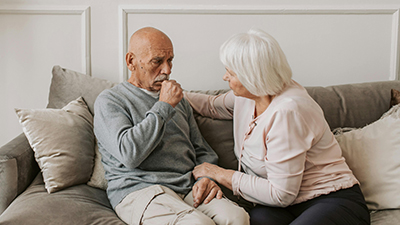
Private spaces that invite personalization
A personal apartment should be a canvas that holds an individual's history. I often recommend households to bring more than photos. Bring the corner chair where Dad checks out, the well-worn quilt, the clock whose chime marks the hours. Facilities like adjustable closet systems, wall-mounted shelving, and versatile lighting make it much easier to recreate familiar routines. Senior citizens who move into assisted living do better when the apartment layout supports small rituals: a place to open mail, a side table for early morning tablets, a reading lamp with a switch that is simple to discover in the dark.
In memory care, shadow boxes outside doors, filled with individual items, assist with wayfinding and self-recognition. These are not simply ornamental. When a resident stopped at a door with a brass keychain he acknowledged from his workshop, his gait altered. He relaxed, smiled, and strolled in. That minute matters.
Safety in personal spaces should not feel like surveillance. Discreet motion sensing units that alert personnel after prolonged inactivity can be far better than meddlesome video cameras, and floor-level night lights decrease fall danger without blinding glare. Baths with incorporated grab bars that look like towel racks protect dignity while supplying support. A small kitchenette may consist of a microwave with an auto-shutoff and a fridge with a clear door panel, handy for diabetic homeowners who need to track treats without extreme opening and closing.
Food as day-to-day medicine and social glue
I determine a community's dining program by being in the dining-room on a Tuesday, not at a vacation buffet. The Tuesday meal informs the reality. Lifestyle and nutrition are securely linked in senior living. The chef's training matters, but so does the versatility of the system. Residents have varying appetites, dietary constraints, and cultural tastes. A menu with two meals and a repaired soup of the day looks fine on paper, yet frequently it assisted living restricts option and results in predictable weight-loss or boredom.
What shines is a resident-centered model: all-day breakfast for those who sleep late, little plates for individuals with lessened cravings, and protein-forward options for those doing physical therapy. Neighborhoods that track weights weekly and utilize that information to push portions or include calorically thick treats tend to see fewer hospitalizations for failure to prosper. In memory care, finger foods can restore pleasure at mealtimes for people who discover utensils discouraging. I when watched a resident who declined dinner devour rosemary chicken bites because they smelled terrific and did not need a fork.
Beyond the plate, the routine matters. Warm, comfy dining-room with natural light and sensible ambient sound encourage lingering. Flexible seating permits couples to sit together and new residents to be welcomed without being on display screen. Personal dining-room for family celebrations turn the community into a location where life takes place. A grandson's graduation pizza celebration kept in that room can make a resident feel woven into the family story, not parked on the sidelines.
Movement that fulfills the body you have
A health club in a brochure is a start. What improves life is programming lined up with resident requirements and led by skilled personnel. A calendar filled with chair yoga, tai chi, balance training, and resistance sessions utilizing light weights or TheraBands develops momentum. Strong legs and core stability imply less falls. 2 or 3 targeted sessions each week can improve Timed Up and Go scores within a month. I have actually seen an 88-year-old female go from shuffling to strolling with a purposeful stride and a smile, because she practiced the sit-to-stand movement from a company chair twice a day.
Aquatic therapy, even as soon as weekly, can be transformative for those with joint pain. Communities that maintain a warm treatment swimming pool at 88 to 92 degrees provide people with arthritis a way to move without grimacing. If a swimming pool is not available, try to find safe strolling paths outdoors with regular benches. The ability to walk a loop without crossing a parking area is not minor. It is freedom.
The best facilities layer inspiration. A corridor "balance bar" with markings at different heights ends up being a cue for unscripted calf raises. A wall-mounted poster in big typeface outlines three breathing exercises. An employee who leads a five-minute stretch before lunch makes movement regular, not a special occasion booked for the fit few.
Health services that prevent crises
On-site medical support is more than convenience. It keeps little issues small. A nurse who can inspect a blood pressure and change a strategy before symptoms escalate is a property concealed in plain sight. Some assisted living communities partner with checking out primary care companies, physical therapists, and podiatric doctors. When a podiatrist trims toenails on-site every 6 to 8 weeks, there are less falls from tripping or pain. It sounds minor till you see what an ingrown nail does to a gait.
Medication management separates solid operations from shaky ones. Look for systems that combine electronic medication administration records with human double-checks and clear communication with outside drug stores. Ask the nurse how they manage PRN medications or a new antibiotic order that reaches 5 p.m. on a Friday. The ideal answer includes an on-call protocol, not a shrug. In memory care, squashing or altering medications must be assisted by drug store assessment, both for safety and effectiveness.
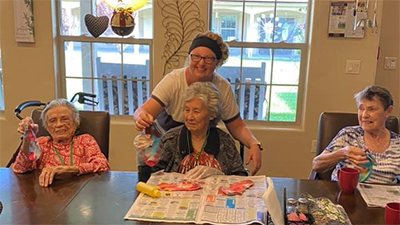
Emergency action within houses should have attention too. Pull cables are standard, however wearable pendants that homeowners in fact utilize matter more. The best groups decrease stigma by making wearables little, attractive, and part of everyday dressing. For homeowners who refuse pendants, door sensors or activity tracking can supply backup without being intrusive.
Social architecture: beyond bingo
Programming is the engine of spirits. Activities need to be varied in rate, purpose, and complexity. Individuals require opportunities to be required, not simply captivated. A resident-led library cart that makes rounds weekly, a tutoring session where older grownups assist kids with reading, or a small choir that practices for seasonal performances all produce meaning. None of these require pricey areas. They need personnel who understand citizens all right to match interests and abilities with roles.
Good calendars include off-site trips to places with real texture: a hardware store for the retired electrical expert, a botanical garden for the master garden enthusiast, a high school baseball game for the previous coach. The trick is right-sizing the logistics. A 10 a.m. departure with available transportation, backup snacks, and a bathroom strategy reads as skills and regard. When done regularly, locals begin to plan around these trips, which is precisely the goal.
Solitude likewise should have regard. Quiet rooms with comfortable chairs, soft lighting, and no tv deal respite. Not everybody wants a steady stream of chatter, specifically those healing from loss. Amenities that support individual pastimes, like a small woodworking bench with hand tools checked out by staff, or a devoted corner for knitting circles with excellent job lighting, typically end up being the heartbeat of a community.
Memory care that protects identity
Memory care is not simply assisted coping with locked doors. It needs an infrastructure of hints, routines, and sensory experiences developed for individuals living with dementia. The most effective areas balance security with liberty of movement. Circular strolling courses enable citizens to check out without dead ends. Gardens with raised beds invite purposeful activity and reduce agitation. I will always remember Rick, a previous mail carrier, who settled as soon as staff created a mock mail box route in the courtyard. He walked, delivered, nodded, and found his rhythm.
Sensory spaces, when done attentively, can soothe without overstimulation. Prevent flashing screens and default to nature sounds, tactile materials, and gentle aromatherapy in short windows. Personnel training is the vital amenity here. Even the very best environment fails without employee who comprehend recognition methods and how to reroute without shaming. It assists when the building supports the training with simple tools: memory boxes, music players with playlists from the resident's youth, and white boards where relative jot reminders or preferred expressions that personnel can utilize to build rapport.
Dining in memory care benefits from clear contrasts and less choices simultaneously. Blue plates with light-colored food can assist the brain acknowledge what is edible. Finger foods and small bowls allow self-respect. It is not infantilizing to cut a sandwich into quarters when it implies the resident can consume independently.
Respite care: a pressure valve for families
Caregivers often call about respite care when they are close to the edge. They have been keeping a loved one at home with grit and love, typically while working or raising kids. A short remain in a senior living community can be a lifeline, offering the caretaker time to recuperate from surgery, travel for a wedding event, or merely sleep without listening for footsteps.

Respite amenities that make a distinction consist of totally provided houses with comfortable bed mattress, not leftovers pulled from storage. A streamlined consumption procedure that includes medication reconciliation and a functional assessment minimizes first-day anxiety. Access to the normal activity calendar, not a pared-back version, matters. I have actually seen respite visitors extend their stay or perhaps shift to permanent residency because they felt welcomed and rapidly discovered a groove. Neighborhoods that treat respite guests as full members of the neighborhood set the ideal tone.
Transportation done right
For lots of homeowners, the shuttle is the distinction between independence and isolation. It is inadequate to have a van being in the parking area. Reputable schedules, motorists trained in helping with movement devices, and a simple system to demand trips all impact functionality. Ask whether medical appointments outside the basic radius are accommodated, and if so, how much notice is required. Take a look at the lift. If it looks picky, it probably is. Repetitive cancellations because of a broken lift undercut trust.
Great transport programs also support spontaneity. A weekly "secret ride," where the location is a surprise within a safe distance, adds range. The best chauffeurs become part of the social fabric. They chat, keep in mind chosen seats, and keep a stash of umbrellas. These are small courtesies that alter how a day feels.
Technology that serves individuals, not the other way around
There is a temptation to go after shiny gadgets. The tough concern is whether the tech minimizes friction. Wi-Fi that really reaches apartment or condos supports video calls with grandkids and telehealth sees. A simple resident website with the day's menu, activity schedule, and upkeep request type, available on a tablet with a couple of taps, can streamline life. Voice assistants can be useful for homeowners with limited dexterity, however they require set-up and training, and personnel must be able to troubleshoot.
Wander management in memory care is a severe topic. Systems that alert staff when a resident methods an exit can prevent elopement, however they should be calibrated to decrease false alarms. Too many beeps and the team begins to tune them out. Falls detection wearables can be valuable for some locals in assisted living, though uptake differs. Option matters. When locals and households take part in picking what to utilize, adherence increases and animosity drops.
Outdoor spaces that invite lingering
The most restorative facilities are typically outdoors. A yard that cuts wind and provides shade extends the season by weeks. Paths with smooth surface areas, handrails where slopes are inevitable, and seating every 30 to 50 backyards develop self-confidence. A small garden, even just a cluster of planters, lets people tend to something and mark time by seasons. Bird feeders placed near windows or patio areas become discussion beginners. A grill turns a Saturday afternoon into an event. Communities that purchase comfy, movable outside furnishings see people self-organize for coffee and cards.
Safety features ought to not mess up the mood. Discreet fencing with landscaping maintains security without feeling penned in. Lighting along courses keeps evenings feasible for strolls. Personnel who hold a weekly coffee in the garden draw people out, consisting of those who may otherwise stay in their apartments.
Housekeeping, laundry, and the subtle dignity of clean
I once had a resident tell me the odor of fresh sheets made her feel "put together." House cleaning is not attractive, yet it is central to self-respect. Weekly house cleansing, with the flexibility to add services after a health problem or for locals with animals, keeps spaces safe and enjoyable. Laundry systems that arrange thoroughly avoid the heartbreak of a favorite sweatshirt destroyed or a missing cardigan. Communities that provide labeled laundry bags and encourage households to identify clothing reduce loss. It sounds dull until you have invested a morning looking for a lost jacket with sentimental value.
A simple but informing indicator: the condition of common location washrooms at 3 p.m. on a weekday. If they are clean and equipped, the staff likely has the best rhythms in place. If not, expect comparable slippage in apartments.
Staff culture as the primary amenity
Everything else we have actually talked about rests on the backs of individuals. Amenities just enhance life when a group uses them attentively. I pay attention to how staff talk about citizens. Do they utilize first names and talk with regard? Do they kneel or sit to converse at eye level with somebody in a wheelchair? How do they handle errors? A maid who confesses a spill and fixes it deserves more than marble floors.
Staffing ratios are a blunt tool, yet they matter. A memory care area humming along at a 1 to 6 to 1 to 8 daytime ratio, with a nurse accessible, tends to feel calmer. Graveyard shift need to not feel abandoned. Training is the hinge. The best communities invest hours each month in continuing education on dementia care, safe transfers, infection control, and de-escalation. They also cross-train. When the receptionist can action in to help throughout mealtime, residents feel continuity rather than chaos.
Families pick up on this quickly. You can have a piano, a putting green, and a hair salon, but if call lights sound unanswered or brand-new personnel churn weekly, those amenities become set dressing. Alternatively, a smaller neighborhood with modest surfaces and steady, kind caretakers may provide far exceptional senior care.
How to examine amenities during a tour
A visit can overwhelm. Sensory overload and a refined sales pitch make it difficult to distinguish necessary from extras. Try a couple of easy tests that cut through the gloss.
- Sit in the dining-room for 20 minutes outside meal times. Watch how staff communicate with early arrivers and whether they reset tables attentively or rush. Take a look at the menu and inquire about substitutions. Ask to see a standard apartment, not the staged design. Check lighting controls, bathroom grab bars, and whether the shower has a lip that would trip a walker. Walk the outdoor courses. Count the benches and check for shade. Note wind patterns and whether doors are simple to open with minimal strength. Talk with a nurse about medication management and after-hours coverage. Inquire about the process for immediate prescriptions on weekends. Peek into the activity in development. Search for genuine engagement, not just bodies in chairs. Ask a resident what they did yesterday.
If allowed, return unscheduled at a different time of day. Mornings and evenings feel different, and both matter. Trust your nose and your gut. If staff make eye contact and greet you while busy, that is a strong sign. If they prevent eye contact, take note.
The financial layer and prioritizing what matters
Budgets are genuine. Not everyone will move into a neighborhood with every bell and whistle. The trick is to prioritize amenities that intersect with a person's specific needs and choices. For somebody with moderate cognitive problems who enjoys gardening, a protected, active yard may matter more than a health club. For a resident with diabetes, a flexible dining program with constant carbohydrate planning and access to a dietitian outranks an expensive theater.
Understand what is included in the base rate and what is a la carte. Transportation beyond the basic radius, extra housekeeping, or personalized escort services can accumulate. In assisted living, care levels frequently escalate expenses. A transparent neighborhood will describe how it examines and adjusts those levels, and how changes are communicated. For respite care, ask whether the day-to-day rate includes medication management, activities, and meals. Clarity prevents bitterness and allows you to evaluate value rationally.
When staying home is the much better option
Sometimes the very best "facility" is the one you currently have: your home. Home care firms can reproduce numerous supports, from bathing help to meal prep and companionship. For some, especially couples where one partner needs aid and the other does not, staying at home with part-time assistance makes sense economically and emotionally. The compromise is coordination. You become the care supervisor, scheduling services and troubleshooting. Because case, prioritize home adjustments that echo the design principles utilized in senior living: get bars that look like fixtures, better lighting, decreased tripping threats, and a prepare for social engagement beyond the living room.
What lifestyle feels like
Ultimately, the best mix of amenities lets a day unfold with fewer barriers and more moments of firm. It looks like a resident choosing oatmeal at 10:30 a.m., not missing breakfast since a rigid schedule closed the kitchen area at 9. It sounds like conversation over a puzzle, not television filling silence by default. It smells like coffee brewing in a typical kitchen area, not disinfectant trying to mask overlook. It is a daughter texting her mom a photo of the garden in flower and getting a photo back because the Wi-Fi works and somebody taught her how to use the tablet. It is a nap after chair yoga due to the fact that someone thought about acoustics and light, not a nap from boredom.
Senior living, memory care, and respite care can feel like huge leaps into the unknown. Taking note of the right facilities makes the leap smaller sized. Whether you are picking a community or refining one as an operator, keep the lens tight on the everyday human experience. The best amenities get out of the way. They lighten the load so the person can do the living.
BeeHive Homes Assisted Living provides assisted living care
BeeHive Homes Assisted Living provides memory care services
BeeHive Homes Assisted Living provides respite care services
BeeHive Homes Assisted Living offers 24-hour support from professional caregivers
BeeHive Homes Assisted Living offers private bedrooms with private bathrooms
BeeHive Homes Assisted Living provides medication monitoring and documentation
BeeHive Homes Assisted Living serves dietitian-approved meals
BeeHive Homes Assisted Living provides housekeeping services
BeeHive Homes Assisted Living provides laundry services
BeeHive Homes Assisted Living offers community dining and social engagement activities
BeeHive Homes Assisted Living features life enrichment activities
BeeHive Homes Assisted Living supports personal care assistance during meals and daily routines
BeeHive Homes Assisted Living promotes frequent physical and mental exercise opportunities
BeeHive Homes Assisted Living provides a home-like residential environment
BeeHive Homes Assisted Living creates customized care plans as residents’ needs change
BeeHive Homes Assisted Living assesses individual resident care needs
BeeHive Homes Assisted Living accepts private pay and long-term care insurance
BeeHive Homes Assisted Living assists qualified veterans with Aid and Attendance benefits
BeeHive Homes Assisted Living encourages meaningful resident-to-staff relationships
BeeHive Homes Assisted Living delivers compassionate, attentive senior care focused on dignity and comfort
BeeHive Homes Assisted Living has a phone number of (970) 628-3330
BeeHive Homes Assisted Living has an address of 2395 H Rd, Grand Junction, CO 81505
BeeHive Homes Assisted Living has a website https://beehivehomes.com/locations/grand-junction/
BeeHive Homes Assisted Living has Google Maps listing https://maps.app.goo.gl/RUQvVGqDERBajnuR8
BeeHive Homes Assisted Living has Facebook page https://www.facebook.com/BeeHiveHomesOfGrandJunction/
BeeHive Homes Assisted Living won Top Assisted Living Homes 2025
BeeHive Homes Assisted Living earned Best Customer Service Award 2024
BeeHive Homes Assisted Living placed 1st for Senior Living Communities 2025
People Also Ask about BeeHive Homes Assisted Living
What is BeeHive Homes Assisted Living of Grand Junction monthly room rate?
At BeeHive Homes, we understand that each resident is unique. That is why we do a personalized evaluation for each resident to determine their level of care and support needed. During this evaluation, we will assess a residents current health to see how we can best meet their needs and we will continue to adjust and update their plan of care regularly based on their evolving needs
What type of services are provided to residents in BeeHive Homes in Grand Junction, CO?
Our team of compassionate caregivers support our residents with a wide range of activities of daily living. Depending on the unique needs, preferences and abilities of each resident, our caregivers and ready and able to help our beloved residents with showering, dressing, grooming, housekeeping, dining and more
Can we tour the BeeHive Homes of Grand Junction facility?
We would love to show you around our home and for you to see first-hand why our residents love living at BeeHive Homes. For an in-person tour , please call us today. We look forward to meeting you
What’s the difference between assisted living and respite care?
Assisted living is a long-term senior care option, providing daily support like meals, personal care, and medication assistance in a homelike setting. Respite care is short-term, offering the same services and comforts but for a temporary stay. It’s ideal for family caregivers who need a break or seniors recovering from surgery or illness.
Is BeeHive Homes of Grand Junction the right home for my loved one?
BeeHive Homes of Grand Junction is designed for seniors who value independence but need help with daily activities. With just 30 private rooms across two homes, we provide personalized attention in a smaller, family-style environment. Families appreciate our high caregiver-to-resident ratio, compassionate memory care, and the peace of mind that comes from knowing their loved one is safe and cared for
Where is BeeHive Homes Assisted Living of Grand Junction located?
BeeHive Homes Assisted Living of Grand Junction is conveniently located at 2395 H Rd, Grand Junction, CO 81505. You can easily find directions on Google Maps or call at (970) 628-3330 Monday through Sunday Open 24 hours
How can I contact BeeHive Homes Assisted Living of Grand Junction?
You can contact BeeHive Homes Assisted Living of Grand Junction by phone at: (970) 628-3330, visit their website at https://beehivehomes.com/locations/grand-junction/, or connect on social media via Facebook
Visiting the Canyon View Park provides open green space and paved paths ideal for assisted living and senior care residents enjoying gentle outdoor activity during respite care visits.